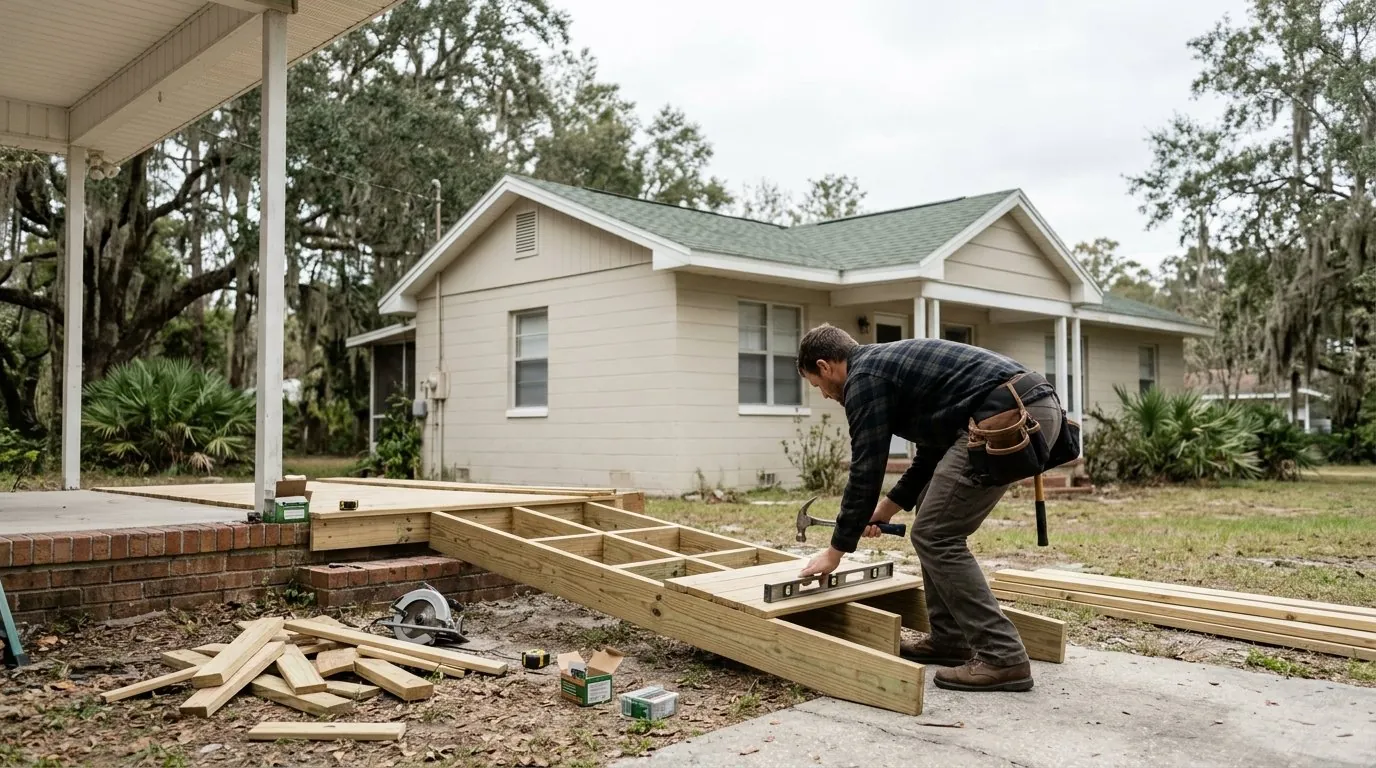
Handicap ramp installation gives wheelchair and walker users a safe, code-appropriate way to enter and exit a home without navigating steps. Done correctly, it replaces a daily hazard with a simple, confident routine. Done poorly, a ramp can be steeper, shakier, or narrower than it should be, creating a new risk instead of solving the old one.
Across Dunnellon and nearby retirement-heavy communities, more families are choosing to modify an existing home rather than relocate a loved one. Have Hammer Will Travel has seen this shift firsthand, especially during the holiday season. Adult children visit and notice mom or dad struggling with the front steps for the first time.
Why Accessibility Retrofits Are in Demand Locally
The area has one of the largest concentrations of retirees in the country. Many of these homeowners want to stay put rather than move into assisted living.
That preference has pushed demand for practical, affordable safety upgrades. Ramps, grab bars, and wider doorways let someone keep their independence without a major life disruption.
November often brings this issue into sharp focus. Family gatherings mean more eyes on how parents or grandparents are actually getting around the house, and small mobility struggles become harder to ignore.
What Proper Handicap Ramp Installation Requires
A ramp is only helpful if it is actually safe to use. Handicap ramp installation depends on getting the slope ratio right so wheelchairs and walkers can move up and down without excessive strain or tipping risk.
A few things separate a professional ramp from a makeshift one:
- Correct slope ratio for wheelchair and walker safety, not just a steep board laid over the steps
- Non-slip surface materials that stay reliable even during Florida's frequent afternoon rain
- Sturdy handrails sized and positioned for a secure grip
- A landing area at the top that is level and large enough to open a door safely
- Proper anchoring into the structure, not a ramp that shifts or flexes under weight
Skipping any of these details can turn a helpful modification into a liability. A slightly-too-steep ramp is often more dangerous than the stairs it replaced.
Grab Bars: Small Fix, Big Difference
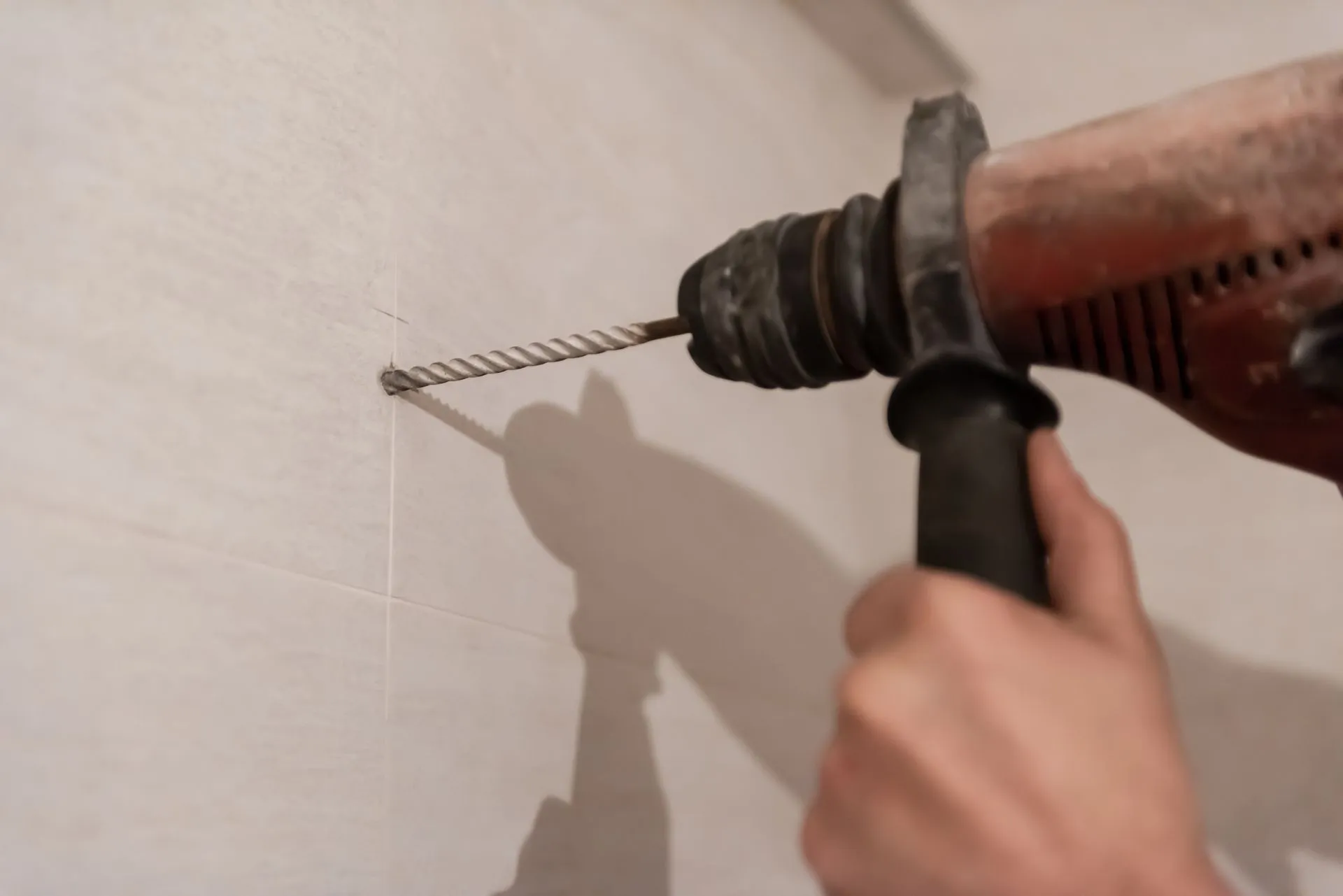
Grab bars are one of the simplest accessibility upgrades, but installation quality matters enormously. A grab bar has to be anchored into a structural wall stud, not just drywall. Drywall alone cannot support a person's full body weight during a fall.
This is a common mistake with store-bought kits installed without checking the wall framing first. A bar that looks secure can pull loose at the exact moment someone needs it most.
Common areas where grab bars make an immediate difference include:
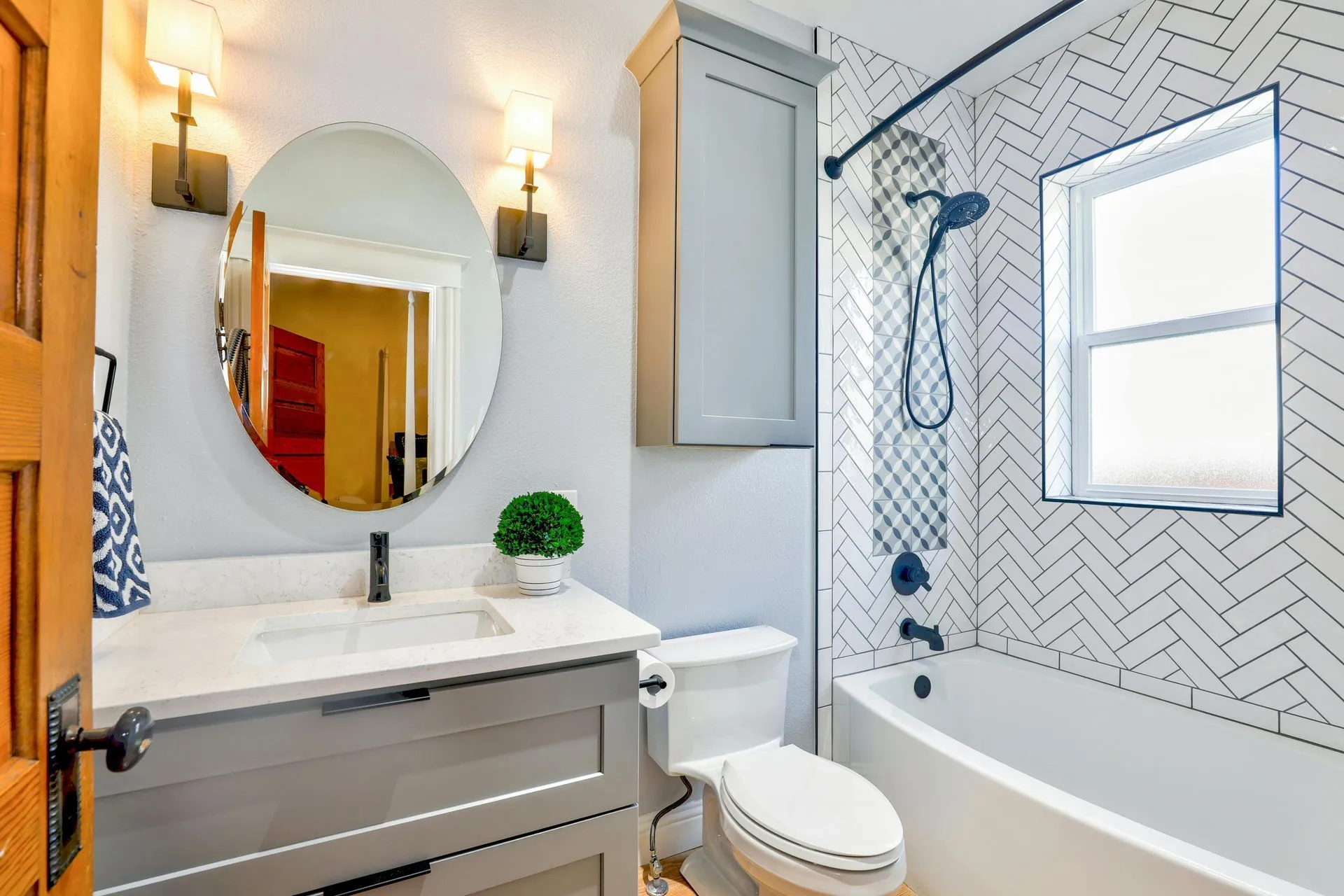
- Bathtub and shower walls
- Beside the toilet
- Along hallways with uneven flooring
- Near entry steps leading into the garage or laundry area
Beyond Ramps and Bars: A Full Safety Picture
Accessibility work rarely stops at one feature. Doorways often need widening to fit a wheelchair, and thresholds that used to be a minor step can suddenly become a tripping hazard.
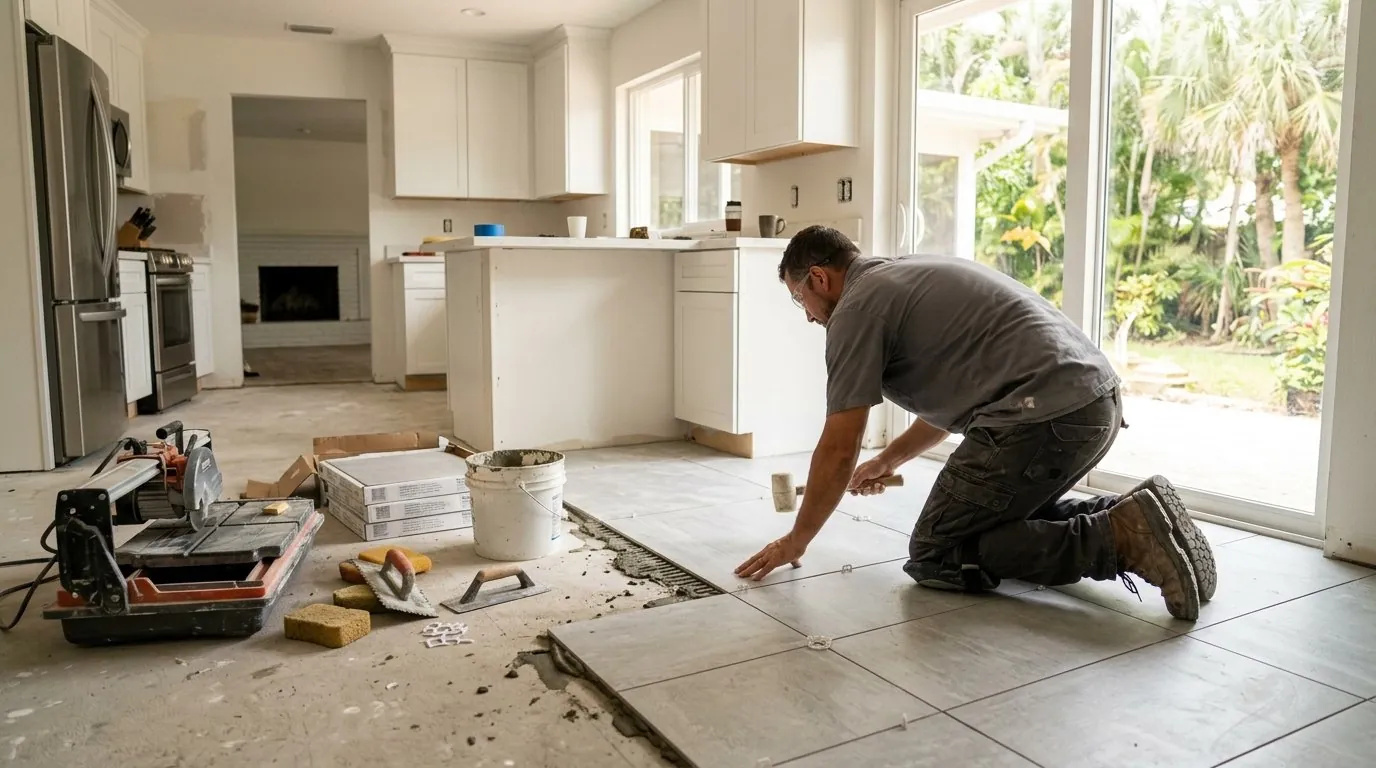
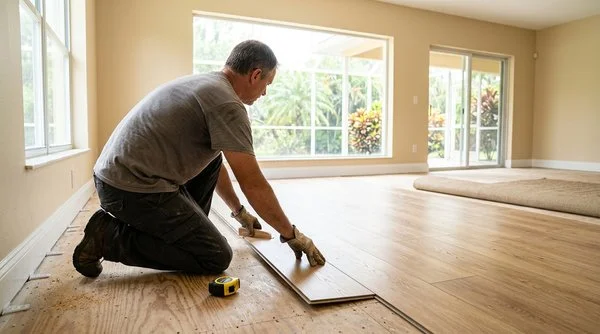
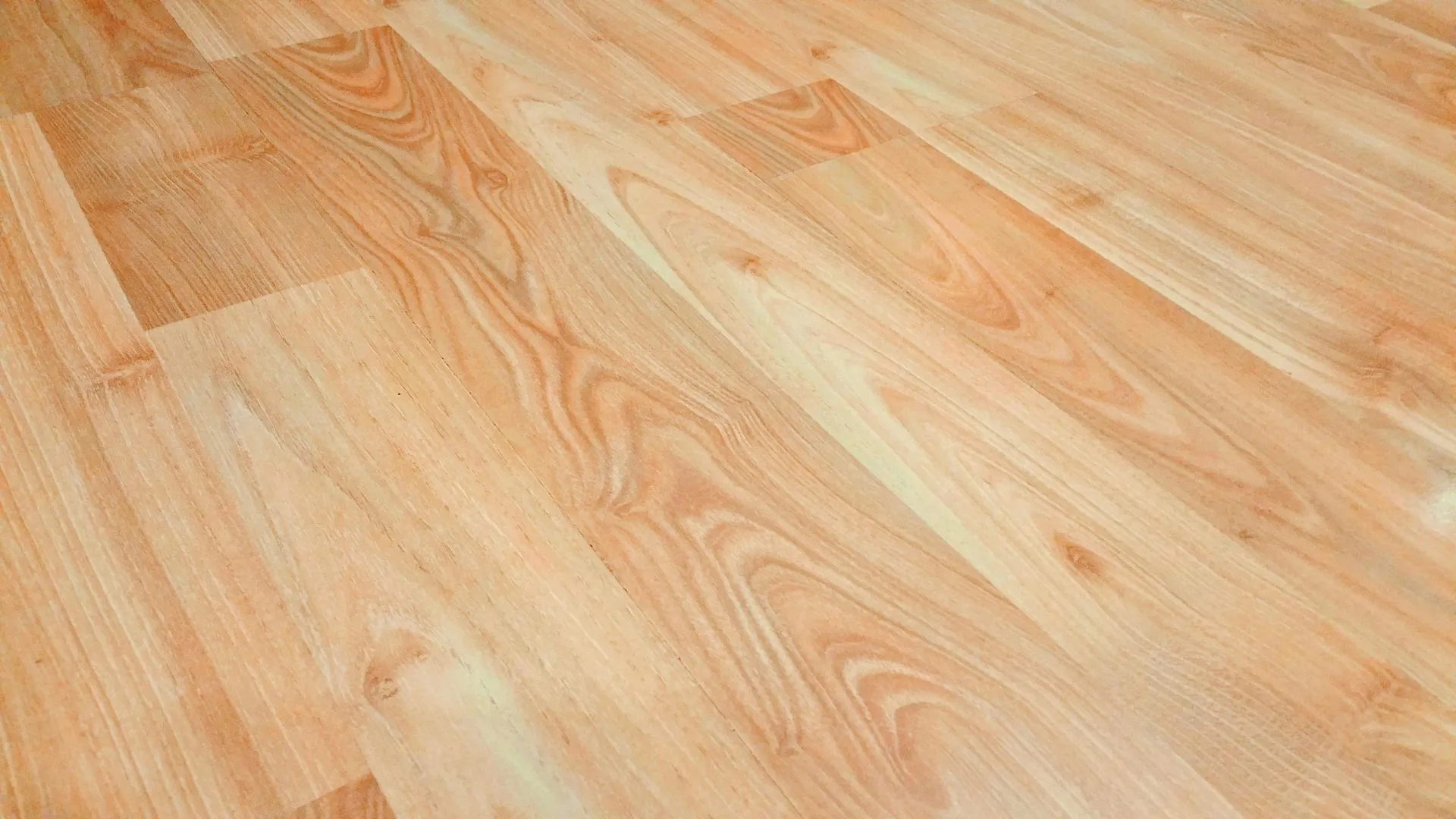
Flooring plays a role here too. Worn carpet edges, loose transition strips, or slick tile near an entryway all add risk for someone with limited mobility. Many homeowners pair ramp and grab bar work with a non-slip flooring installation in high-traffic areas. This keeps the whole path through the home consistent and safer underfoot.
Older homes in the area, many well past several decades of age, were simply not built with these needs in mind. A coordinated approach, rather than a single isolated fix, tends to hold up better over time.
Signs It May Be Time for an Upgrade
Families do not always notice mobility changes gradually. Often it takes a visit, a near-fall, or a frank conversation to bring the issue to the surface.
Watch for these signals:
- Hesitation or extra time needed on entry steps
- A cane, walker, or wheelchair being used more frequently indoors
- Reluctance to use the bathtub or shower without assistance
- Furniture being used as an improvised handrail through hallways
- A family member asking directly for help getting around the house
Any one of these is a reasonable prompt to schedule an evaluation before a fall forces the issue.
Frequently Asked Questions
Does a handicap ramp installation need a specific slope to be safe?
Yes. The slope has to allow a wheelchair or walker user to move up and down without excessive effort or risk of tipping backward. This is one of the most common mistakes with DIY or improvised ramps.
Can grab bars be installed anywhere on a bathroom wall?
Not safely. Grab bars need to be anchored into structural studs so they can support full body weight during a fall. A bar mounted only into drywall can pull free under pressure.
How long does a typical ramp or grab bar project take?
Timelines vary by scope, but most single-feature projects can be completed quickly. A ramp or a set of grab bars often takes just a short visit, once materials and wall conditions are confirmed.
Is it worth combining accessibility upgrades with other home repairs?
Often, yes. Addressing doorway widths, flooring, and lighting alongside ramps and grab bars creates a more complete path through the home. This is safer than fixing one hazard while leaving others in place.
If a parent or loved one is struggling with steps, slick flooring, or an unsteady bathroom, it's worth addressing. Don't wait until it becomes an emergency. Reach out to Have Hammer Will Travel to talk through a safer, more accessible setup for your home.